
Search
Search
Single-walled carbon nanotubes (SWCNT) are a conductive material that helps silicon anode materials achieve sufficient lifespan in lithium-ion batteries. They form a conductive network between silicon anode materials and are the only conductive material that maintains constant electrical conductivity despite the expansion and contraction of silicon. With the growth of the domestic silicon anode material market, the amount of SWCNT usage is also increasing rapidly, so there is an urgent need to develop domestic technology to break the current status of 100% imports and achieve technological independence. This situation is the same in all countries that produce lithium-ion batteries.
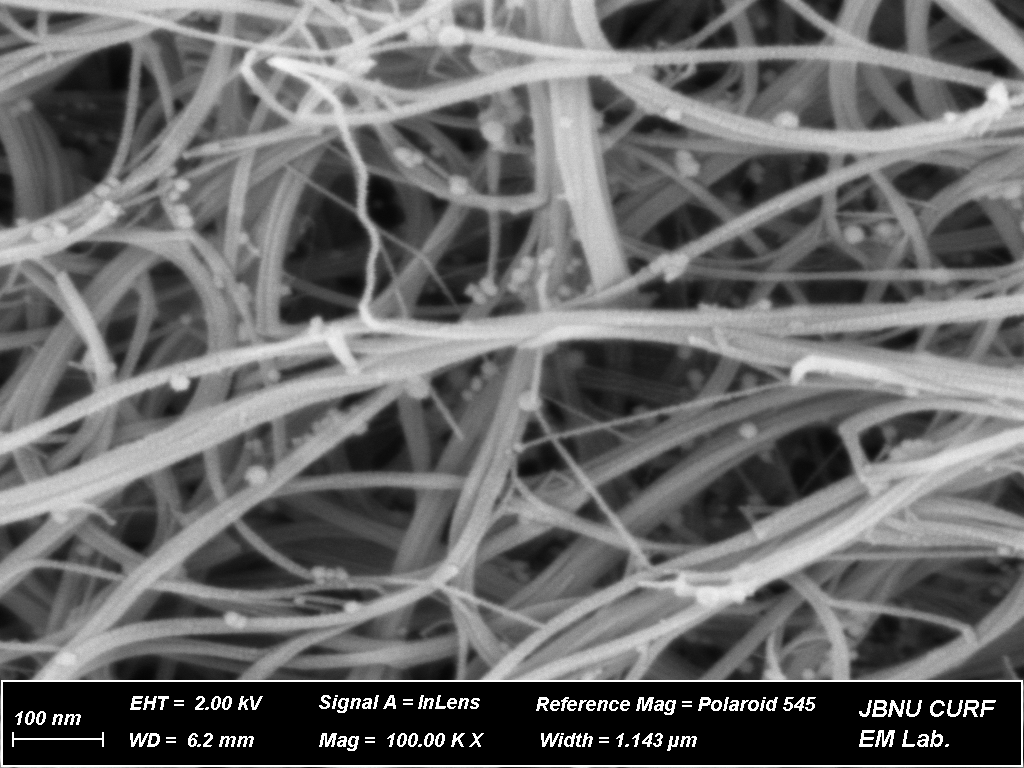
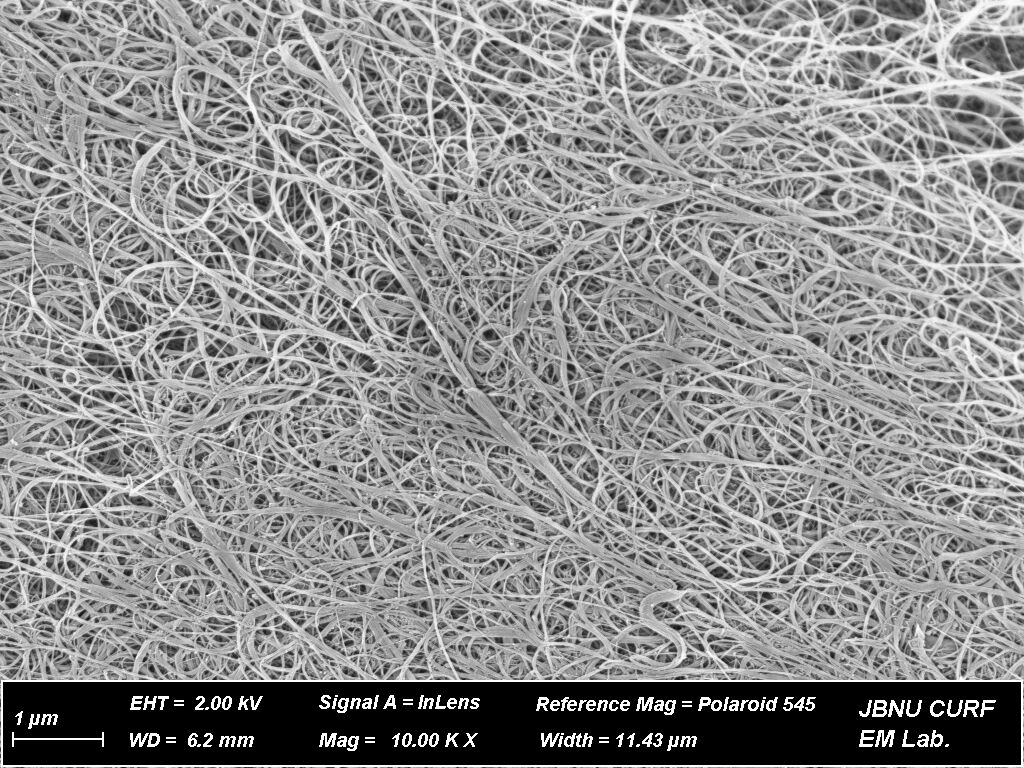
The synthesized SWCNT contains 35% metal catalyst based on our company's standard and 25% based on our competitor's standard. The small particles in the photo below are catalysts, and carbon particles are rarely generated due to process improvements.
Metal catalysts can cause side reactions in secondary batteries and reduce electrical conductivity, so they need to be removed below the standard level. The most commonly used method for removing SWCNT catalysts is to introduce Cl gas to form FeCl3, vaporize it, and discharge it. E-Cube Materials developed an FBR-type device after a six-month development period and began using it to produce samples. The FBR method is the most suitable method for this catalytic gas phase removal process as it is easy to manufacture and operate.
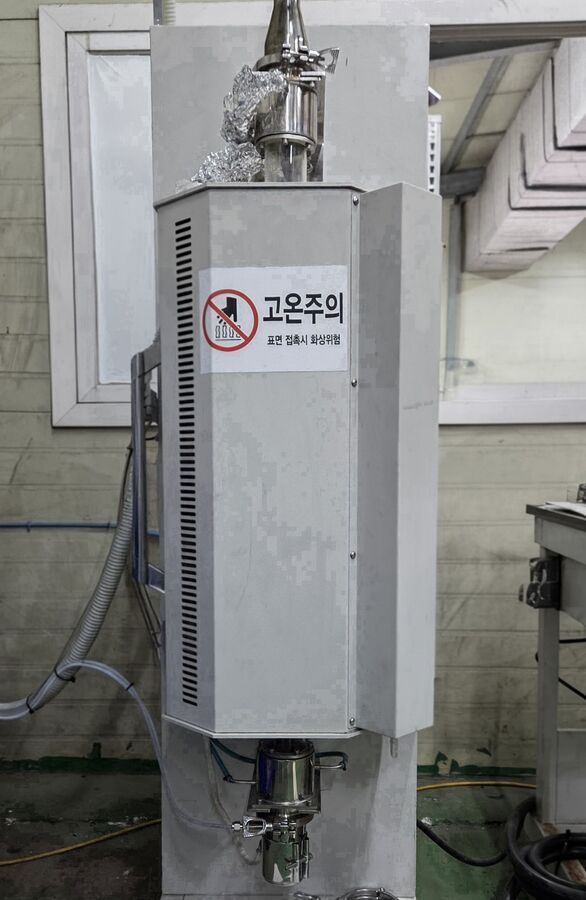
SWCNTs have a large volume after synthesis, so it is difficult to add large amounts to the purification process. To solve this problem, the synthesized SWCNTs are compressed to an appropriate density, and after several stages of pre-treatment, they are put into a large amount of FBR (Fludized Bed Reactor). In FBR, Cl gas passes through the SWCNT bundle gap, reacts with Cl, and requires diffusion time to escape to FeCl3. For this reason, the batch process using FBR is the most suitable method for gas phase purification.
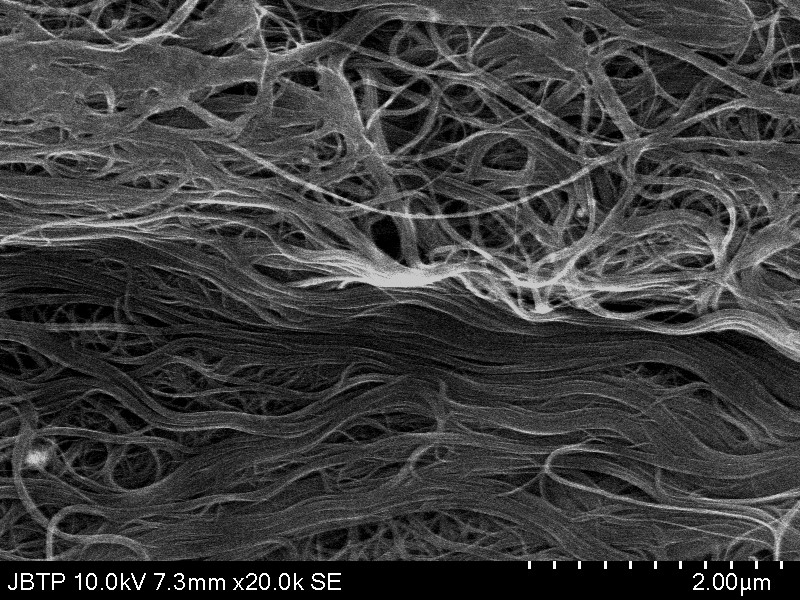
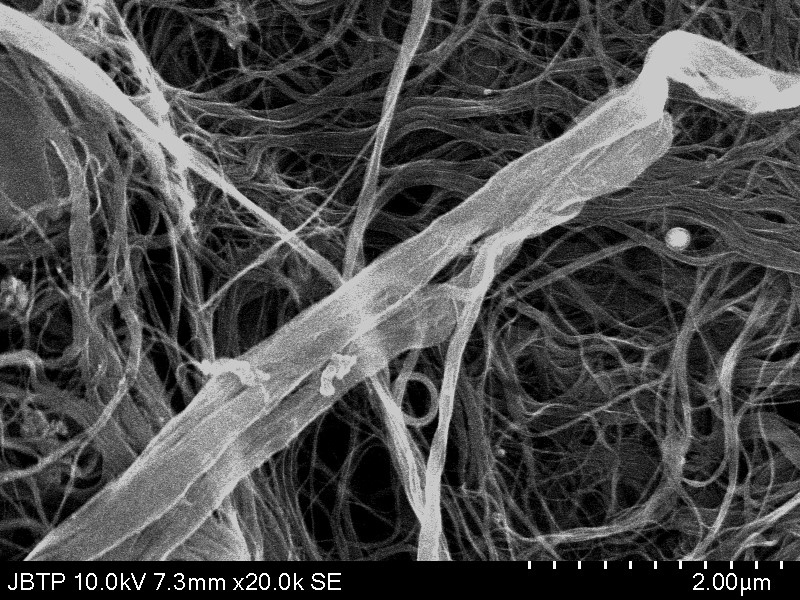
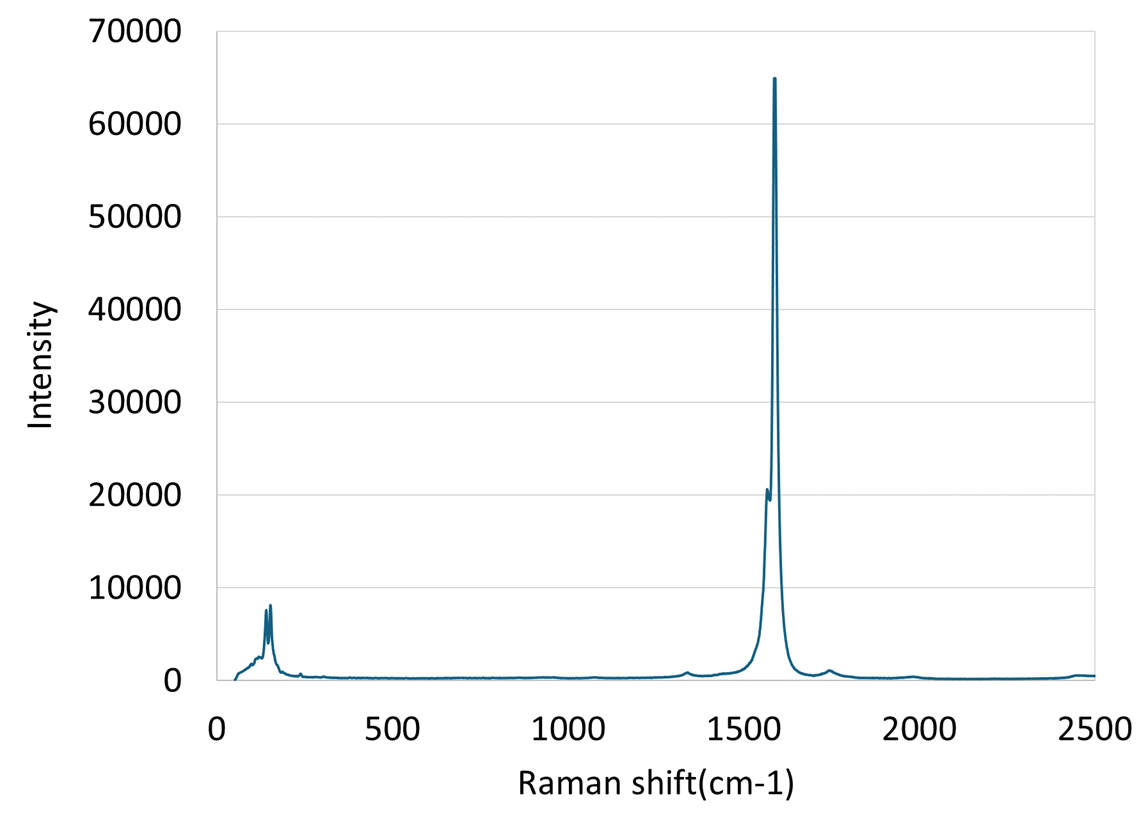
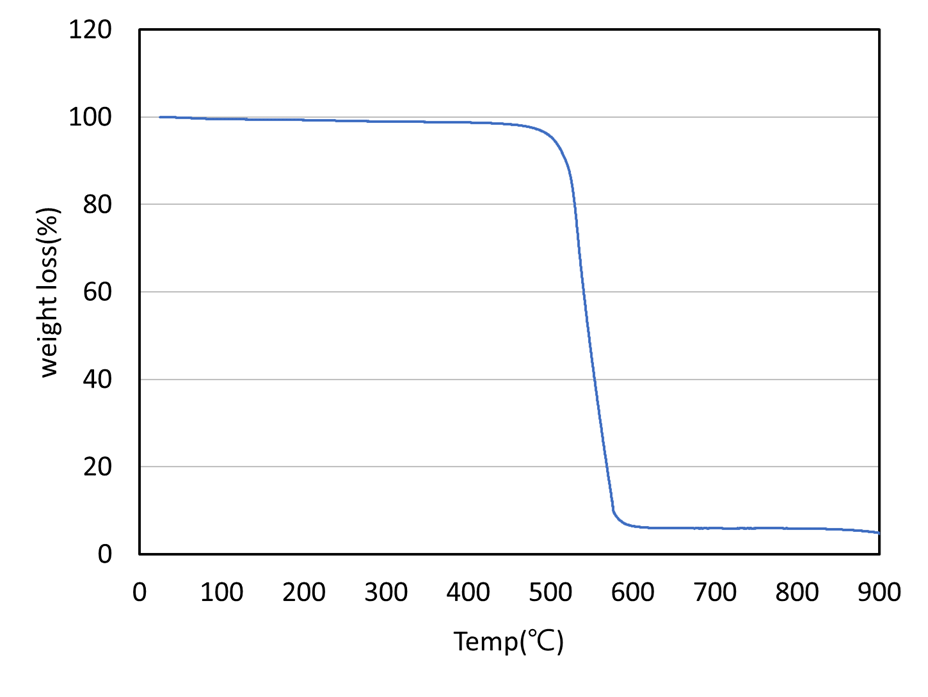
Cl gas purification does not destroy the SWCNT structure and improves purity and quality by removing the metal catalyst. In the graph below, the Raman crystallinity index, IG/ID = 90, is higher than when synthesized, but this is not an improvement in quality, and should be seen as a result of the Raman resonance phenomenon occurring more easily due to improved purity. The SWCNT purity through TGA (20% oxygen) is 95%, and the combustion start temperature is 500 degrees, which is 20 degrees higher due to the decrease in catalyst. After purification, SWCNT quality shows the same quality as commercial products.
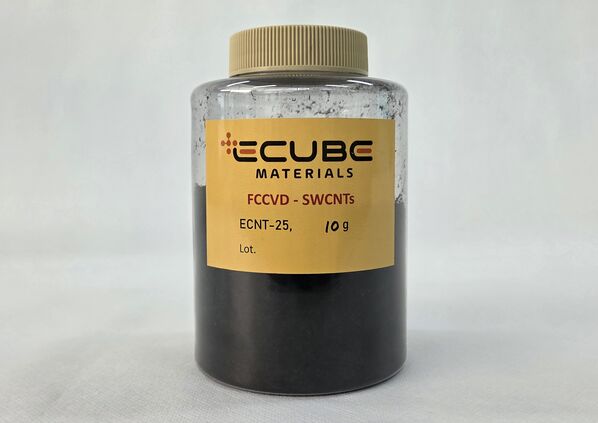
E-Cube Materials supplies samples for dispersion for the development of secondary battery conductive materials, in units of 5g and 10g.
E-Cube Materials is building 210 kg production equipment per year as a pilot plant in 2026, and will supply sufficient samples to customers after September.
In addition, we plan to develop mass production equipment of which capacity is 1.3 tons per year in 2027, and begin mass production with an annual production capacity of 13 tons in 2028.


